
In the competitive world of retail and e-commerce, the first physical point of contact between your brand and your customer isn’t the product itself, it is the packaging. A thoughtful unboxing experience can turn a simple purchase into a memorable event, driving brand loyalty and encouraging social media shares.
For businesses looking to elevate their presentation, two major contenders dominate the custom packaging space: tuck boxes and sleeve packaging. Both styles offer unique structural benefits, aesthetic vibes, and tactile experiences.
Let’s dive into an in depth comparison to visualize that choice creates the last word unboxing expertise for your merchandise.
Understanding Tuck Boxes: The Classic Packaging Choice
When people think of standard product box packaging, they are usually picturing a tuck box. It is a reliable, time-tested layout that balances functionality with straightforward design.
Definition and Common Types (Straight Tuck vs. Reverse Tuck)
A box could be a single-piece folding carton made of composition board, furrowed sheets, or cardstock. It features top and bottom flaps that tuck cleanly into the body of the box to secure the contents. The two most common configurations are:
- Straight Tuck Boxes: Each the highest and bottom flaps shut on the precise same aspect of the box. This creates a clean, uninterrupted look on the front panel, making it a favorite for retail display shelves.
- Reverse Tuck Boxes: The flaps close on opposite sides (one opens toward the front, the other toward the back). This layout allows the boxes to fit together more efficiently during manufacturing, which reduces material waste and lowers production costs.
Key Structural Features and Durability
Tuck boxes are incredibly sturdy for their weight. Built with secure interlocking flaps, they hold their shape exceptionally well under compression. Modern manufacturing allows for reinforced slit locks or friction fits, ensuring that the lids stay shut during transit without needing tape or adhesive seals.
Popular Industries Using Tuck Boxes
Because of their versatility, custom tuck boxes are the standard choice across multiple fast-moving industries. They are widely used for:
- Cosmetics and skincare containers
- Pharmaceuticals and supplements
- Tech accessories and cables
- Confectionery, tea, and small dry food goods
Exploring Sleeve Packaging: The Modern Choice
If tuck boxes represent traditional reliability, sleeve packaging offers a sleek, contemporary twist that instantly signals a premium product.
What is Sleeve Packaging (Belly Bands)?
Sleeve packaging usually spoken as custom belly bands consists of a custom-printed composition board sleeve that slides swimmingly over associate inner instrumentation. The inner container could be a plain kraft box, a corrugated shipping tray, or even a plastic container. The sleeve itself has no tops or bottoms; it relies on a snug fit to stay in place.
The Two-Piece Structural Design Explained
Unlike a single-piece folding carton, sleeve packaging uses a two-piece arrangement. You have the structural inner box that protects the item, and the outer sleeve that carries all the branding, logos, and product information. This separation allows brands to buy generic inner boxes in bulk and simply swap out the outer sleeves for different product variations or seasonal promotions.
Premium Feel and Aesthetic Appeal
Sleeve packaging naturally feels deliberate and high-end. The double layer of material adds physical weight and structural thickness to the parcel, giving the impression that the contents inside are valuable, delicate, and worth protecting.
The Unboxing Battle: Step-by-Step Experience
The physical act of opening a package sets the emotional tone for the customer. Let’s look at how these two structural styles compare during the actual unboxing process.
Opening Mechanics: The ‘Pop’ vs. The ‘Glide’
- The Tuck Box: Opening a tuck box is quick and active. The customer pulls the flap upward, causing a satisfying friction “pop” as the cardboard release occurs. It is fast, efficient, and immediately reveals the item.
- The Sleeve Package: Opening a sleeve requires a smooth, two-handed sliding motion. The inner tray slides out with a quiet, satisfying “glide.”
The Element of Anticipation and Reveal
Sleeve packaging wins on anticipation. Because the sliding mechanism takes a second or two longer, it creates a brief moment of suspense. As the inner tray emerges, the product is slowly uncovered rather than exposed all at once. This slow reveal mimics the opening of a high-end luxury item, making the customer feel like they are unwrapping a gift.]]]]]]]]]]
Tactile Experience: How the Customer Feels Handling the Box
A tuck box feels integrated and compact; everything moves as one solid unit. Sleeve packaging, however, offers a richer tactile journey. The contrast between sliding the smooth outer sleeve off the textured inner box adds layers to the touch experience, making the overall presentation feel highly curated.
Customization and Branding Potential
Both styles provide extensive canvases for artwork, but they handle design space and finishing options differently.
Printing Surface Area: Maximizing Your Design Space
Tuck boxes give you six distinct exterior panels to print on. You can use the front for prominent logo placement, the sides for instructions or ingredient lists, and the back for brand stories.
Sleeve packaging has open ends, meaning you lose the top and bottom closing panels for text. However, the continuous wrap-around nature of a sleeve allows for seamless horizontal or vertical graphics that flow perfectly across the four main faces.
Finishing Options (Matte, Glossy, Foil Stamping)
To grab attention on a retail shelf or look stunning in a shipping box, both packaging types can be enhanced with premium finishes:
- Matte Lamination: Soft, non-reflective surface that feels smooth to the touch.
- Glossy Coating: High-shine finish that makes bright colors pop.
- Spot UV & Foil Stamping: Shiny metallic accents or raised glossy textures that draw the attention right to your logo.
Inside-the-Box Branding Opportunities
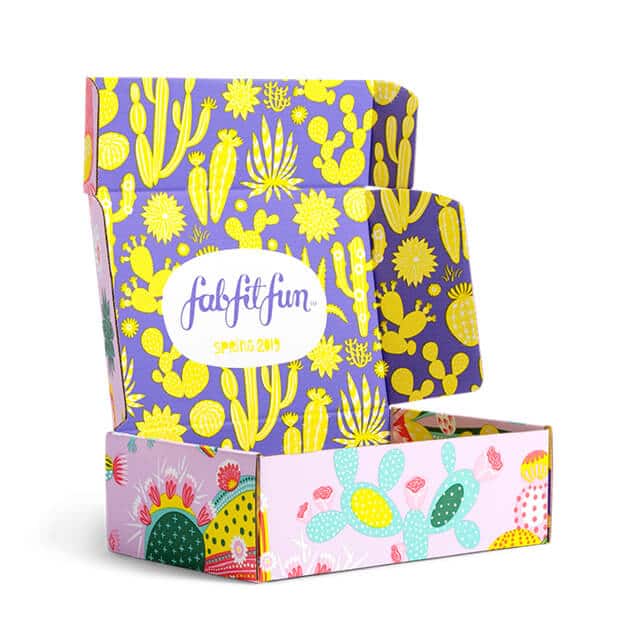
Tuck boxes hold a major advantage here. When a customer opens a tuck box, the inside of the lid and the interior walls are fully visible. Printing an invisible thank-you message, a cultural media hashtag, or a vivid pattern on the inside panels is a wonderful solution to surprise the consumer.With sleeves, the inside of the band is completely hidden against the inner box, limiting your interior branding opportunities to the separate inner tray.
Practical Factors: Cost, Assembly, and Sustainability
While the customer experience is crucial, your choice must also make sense for your business operations, budget, and supply chain.
Production and Material Cost Comparison
In general, custom tuck boxes are more cost-effective to manufacture. Because they are stamped out of a single sheet of paperboard, they require less raw material and only go through one production run. Sleeve packaging involves two separate components (the box plus the sleeve), which can increase material costs and require coordinating two different print setups.
Assembly Time and Storage Space Efficiencies
Both styles ship completely flat, which keeps your warehousing costs low and saves valuable storage space. When it comes to fulfillment line assembly:
- Tuck boxes require a quick pop-up motion and hand-tucking the bottom flaps before inserting the product.
- Sleeve packaging requires you to assemble the inner box, place the item inside, and then slide the sleeve over the top. The extra step can add a small amount of labor time if you are processing high volumes of orders manually.
Eco-Friendliness: Material Reusability and Waste
From a sustainability standpoint, both options can be crafted from 100% recyclable, biodegradable, and post-consumer recycled paperboard. However, tuck boxes are easier for the end consumer to recycle because they are a single material type.
Sleeve packaging does offer a unique eco-advantage: if your product details change (like an updated ingredient list), you don’t have to throw away whole boxes. You only recycle the thin paper sleeve and keep using your bulk stock of inner boxes, reducing overall packaging waste.
Product Compatibility: Which Box Fits What?
The right choice ultimately depends on the weight, shape, and value of the items you sell.
Tuck Boxes:-
- Best for: Lightweight to medium items, daily retail goods, high-volume shipping
- Typical Shape: Lip balms, charging cords, tea tins, playing cards
- Key Advantage: Fast assembly, cost-efficient, single-piece security
Sleeve Packaging:-
- Best for: Premium gift sets, multi-item bundles, luxury products
- Typical Shape: Artisan chocolates, high-end watches, perfume bottles, apparel
- Key Advantage: High anticipation, luxury feel, structural weight
When to Choose Tuck Boxes
If your priority is speed, cost-effectiveness, and direct protection for standalone retail items, tuck boxes are tough to beat. They keep your fulfillment lines moving fast and offer a familiar, reliable structure that consumers trust.
When to Choose Sleeve Packaging
If you are launching a luxury brand, a limited-edition holiday gift set, or a subscription box where presentation overrides minor assembly speed differences, sleeve packaging is the clear winner. The sliding motion elevates the perceived value of whatever is waiting inside.
Conclusion
There is no single winner in the battle between tuck boxes and sleeve packaging, only the option that fits your brand’s specific needs. If you want a classic, efficient, and highly customizable single-piece box that keeps production costs low, a well-designed tuck box is the ideal solution. If your goal is to maximize the drama of the unboxing reveal and give your items a premium, multi-layered feel, custom sleeve packaging will deliver that high-end experience.
Are you ready to design the perfect package for your brand? Explore the wide range of structural shapes, sizes, and finishing options at IBEX Packaging to find the custom solution that leaves a lasting impression on your customers.