Every March, the tennis world descends on Miami—sun-soaked, high-gloss, and humming with anticipation. But in 2026, the real action wasn’t just inside the stadium. It spilled onto the sand.
Enter Club Lacoste.
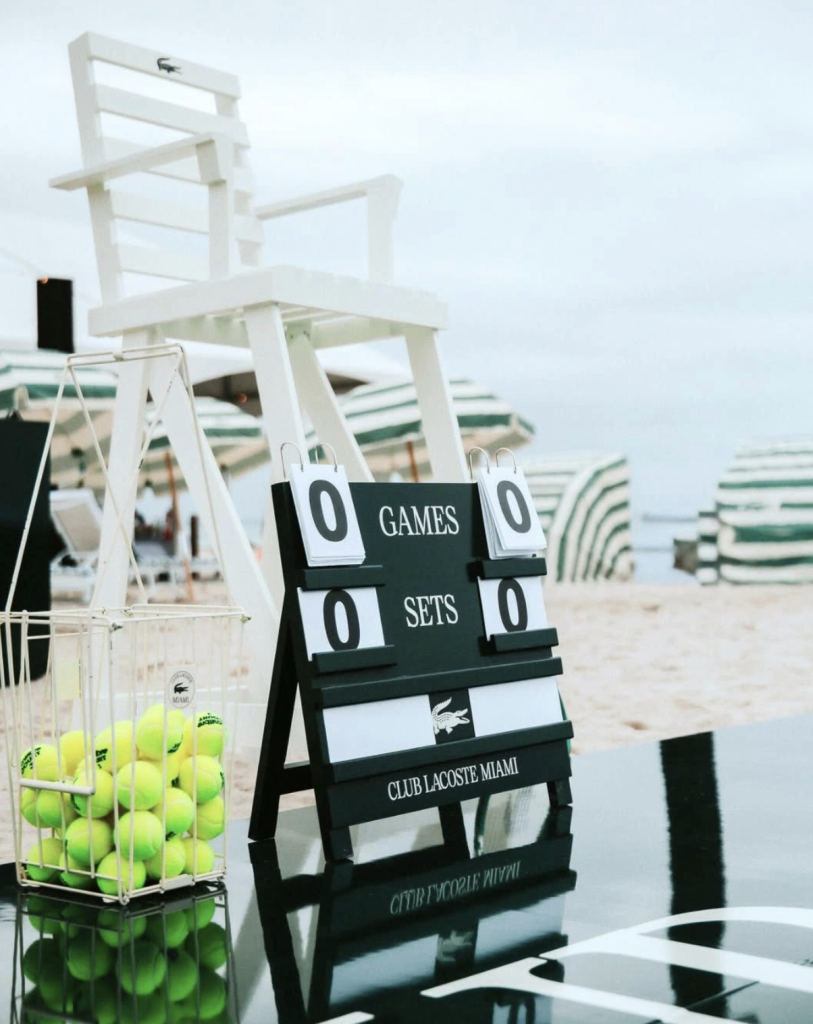
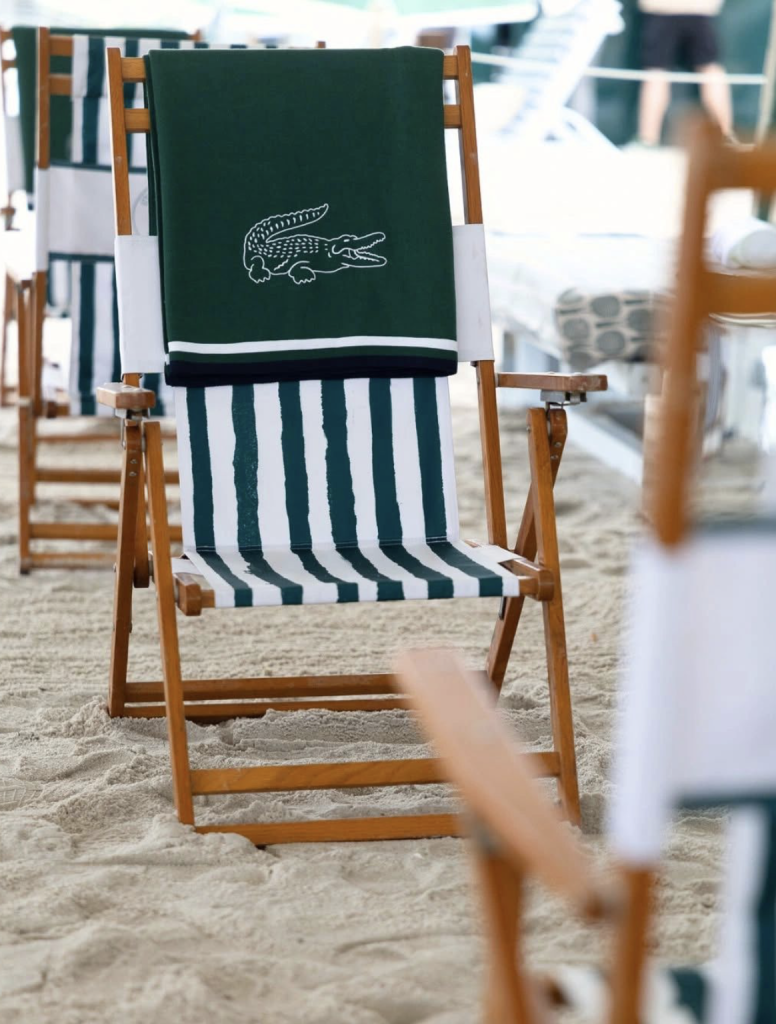
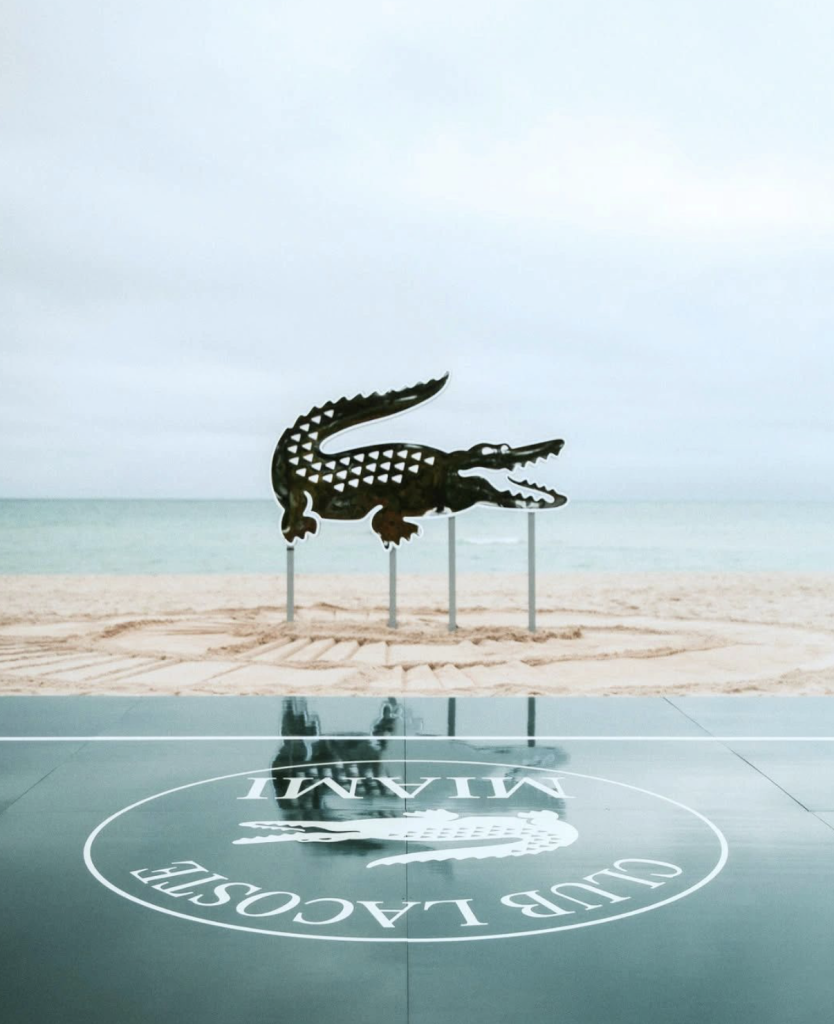
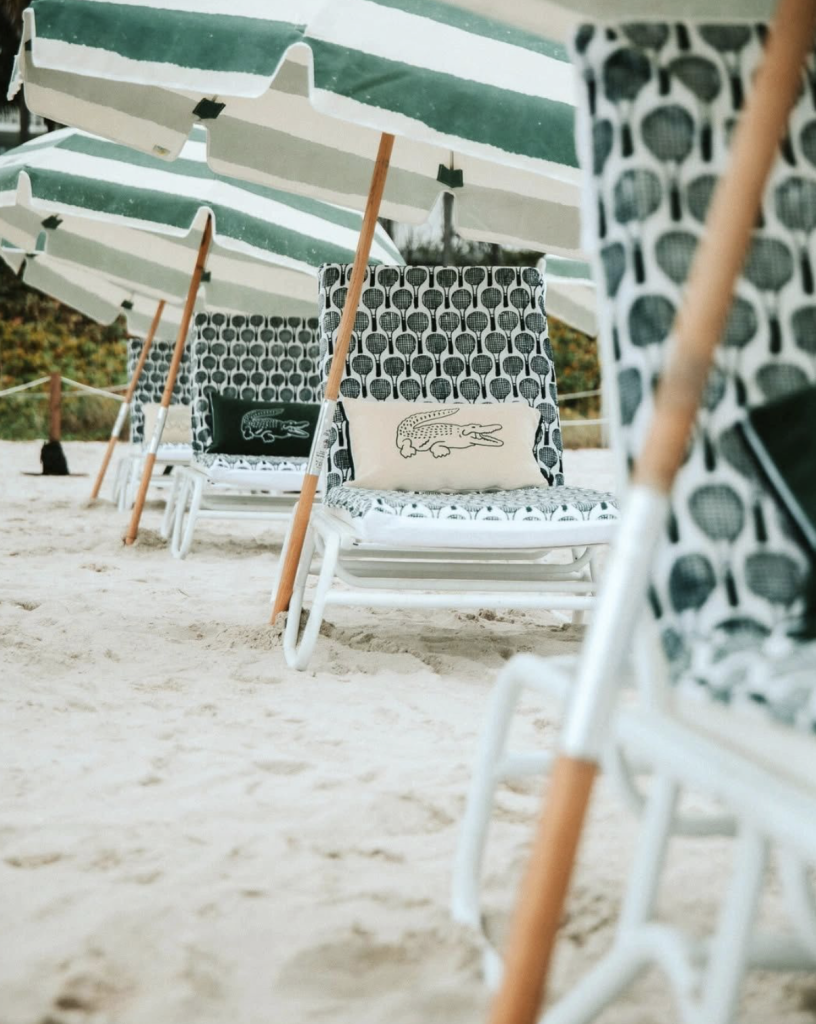
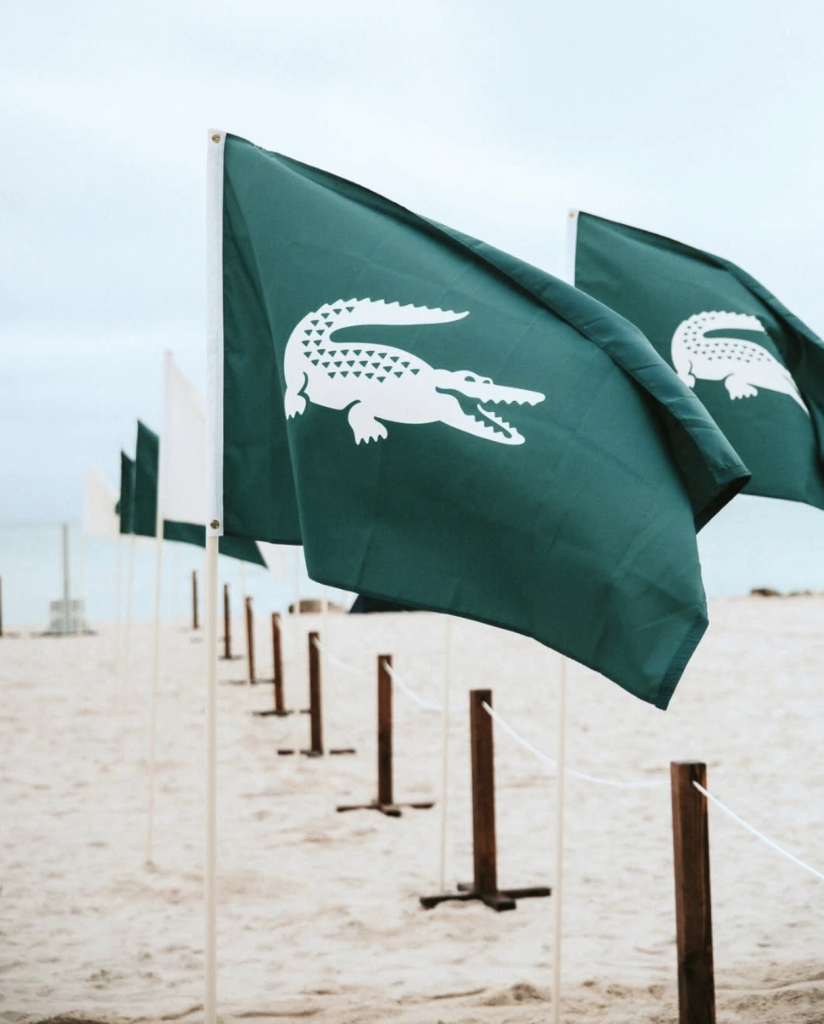
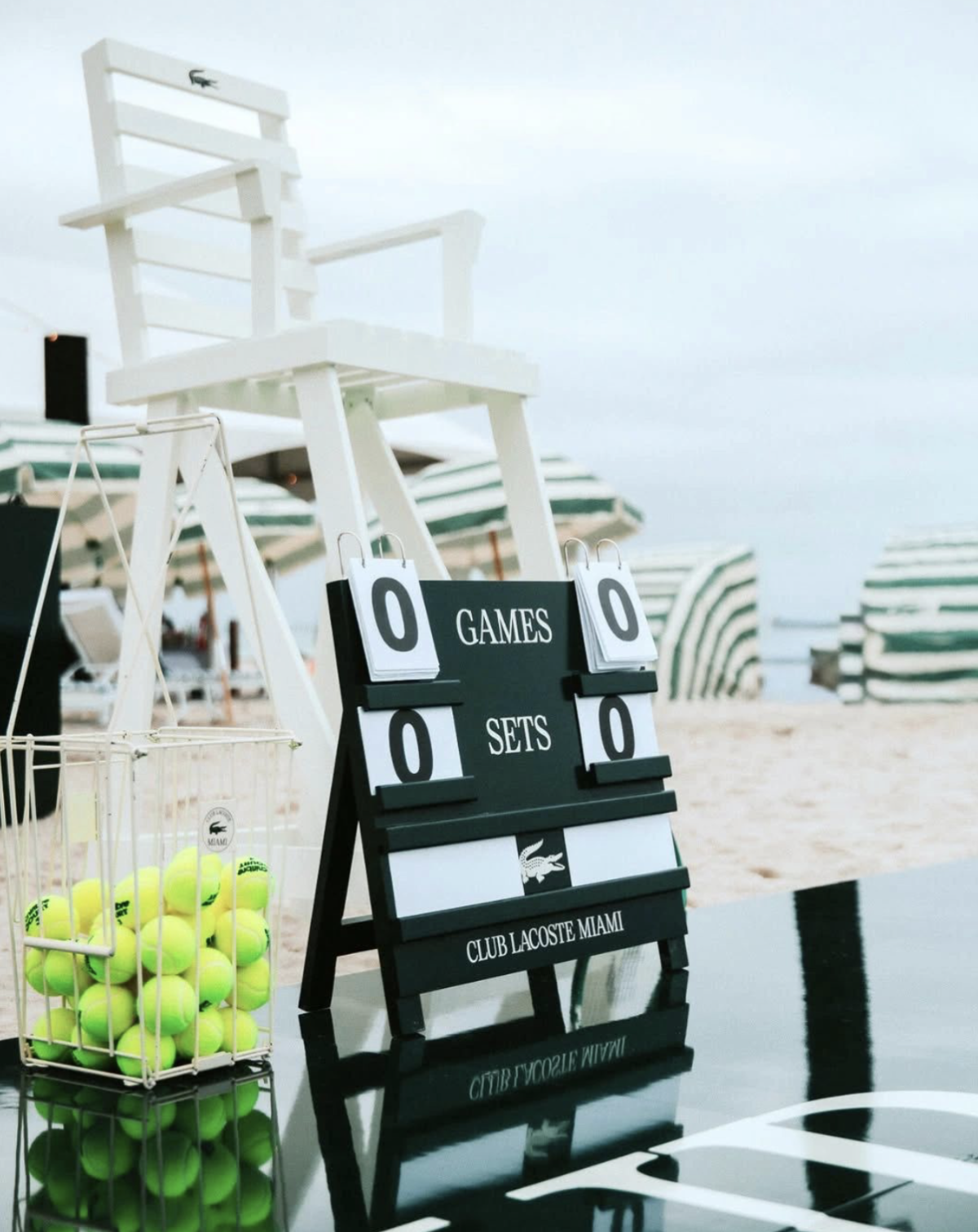
Set against the Atlantic at the Miami Beach EDITION, the French brand reimagined the traditional tennis experience as something looser, more social, and unmistakably stylish. A deep-green court—Lacoste’s signature—was dropped directly onto the beach, framed by parasols, loungers, and a rotating cast of athletes, influencers, and fashion insiders.
This wasn’t just a pop-up. It was a statement.
Where Tennis Meets Texture
Lacoste has always lived in the tension between sport and style—heritage and reinvention. Founded by tennis legend René Lacoste, the brand’s DNA is rooted in performance, but its cultural relevance has long extended beyond the baseline.
Club Lacoste sharpened that duality.
On one side: elite competition, embodied by players like Venus Williams, Daniil Medvedev, and Grigor Dimitrov, all of whom appeared throughout the activation.
On the other: a free-flowing social atmosphere—cocktails, music, and spontaneous doubles matches where pros and influencers blurred into the same orbit.
It’s tennis without the rigidity. Prestige without the pressure.
The Beach as Runway
What made the activation resonate wasn’t just who showed up—it was how it looked.
The contrast was immediate: crisp polos against soft sand, tailored whites offset by ocean blues. The court itself became a visual anchor, a saturated green interrupting the pale neutrality of Miami Beach. Around it, guests moved fluidly between spectating and socializing, turning the entire space into a kind of open-air runway.
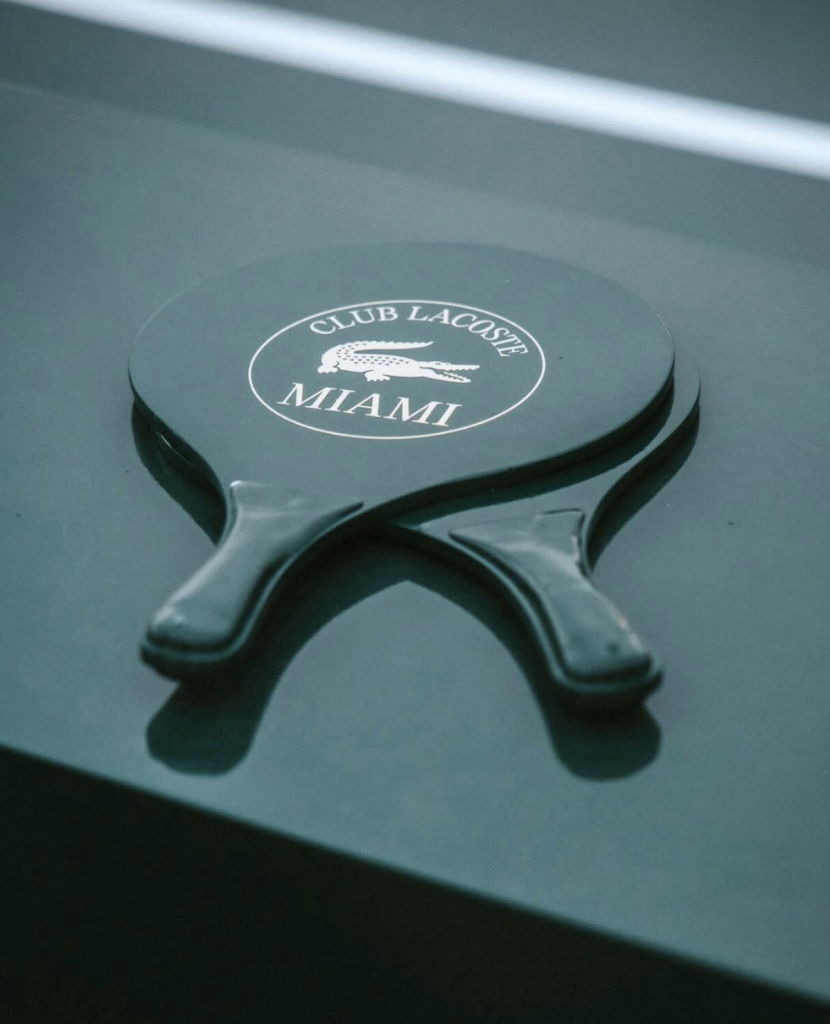
Even the details carried intention. Signature cocktails nodded to Lacoste’s heritage, while beach huts and playful installations softened the edges of what might otherwise feel like a branded takeover.
A New Kind of Courtside Access
If traditional tournaments are about distance—fans in stands, players on court—Club Lacoste collapsed that divide.
Guests weren’t just watching tennis; they were inside it. Rallying with pros. Drinking beside them. Dancing with them hours later.
This proximity reflects a broader shift in how audiences engage with sport. It’s no longer enough to witness greatness—you have to experience it. And brands like Lacoste are increasingly fluent in building those environments.
By relocating tennis to the shoreline, the brand reframed it as lifestyle: something you don’t just follow, but inhabit.
Miami as Moodboard
Of course, none of this works without Miami.
There’s a reason the Miami Open has become one of tennis’s most culturally charged tournaments. The city brings its own aesthetic—heat, color, rhythm—and Lacoste leaned into it fully.
The result was a seamless blend of French polish and Miami excess. Clean lines met chaos. Discipline met decadence.
And somewhere between a late-night dance floor and a sunlit baseline rally, tennis started to feel less like a sport—and more like a scene.
Beyond the Game
What Club Lacoste ultimately delivered wasn’t just an event. It was a blueprint.
As sports continue to merge with fashion, entertainment, and hospitality, the future of tournaments may look less like isolated competitions and more like cultural ecosystems. Places where what happens off the court is just as important as what happens on it.
In Miami, Lacoste didn’t just show up for the Open.
It rewrote the dress code—and the rules of engagement.