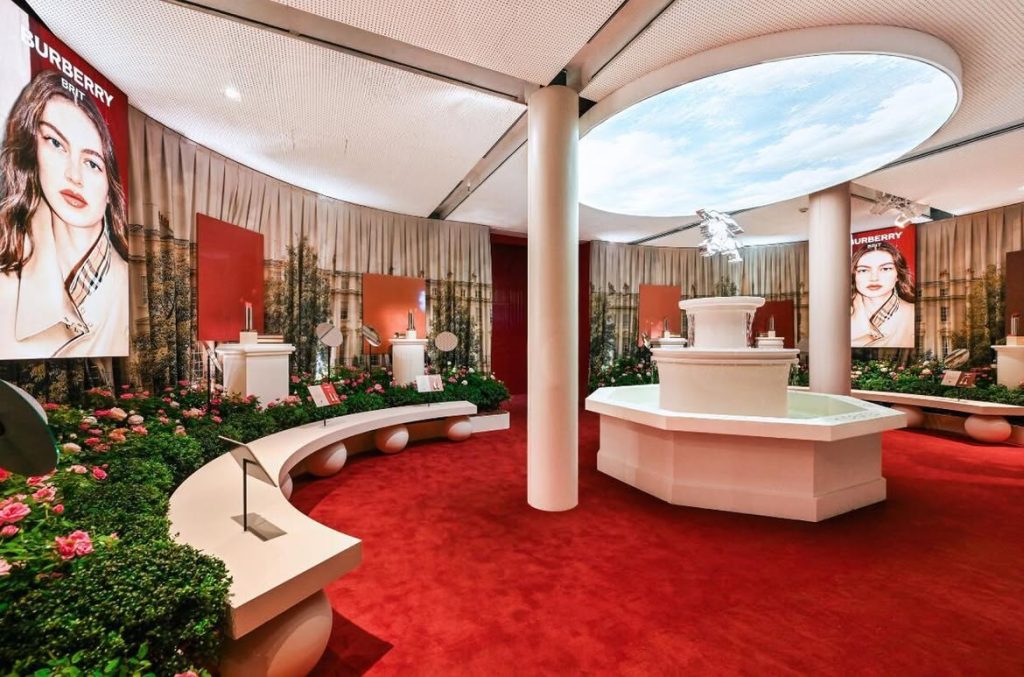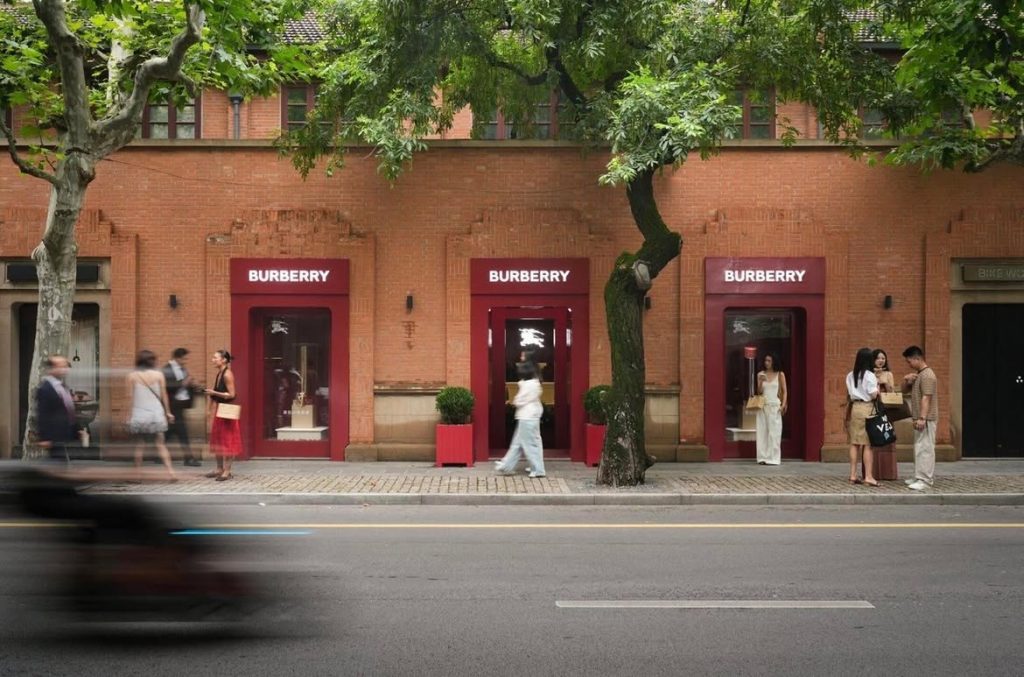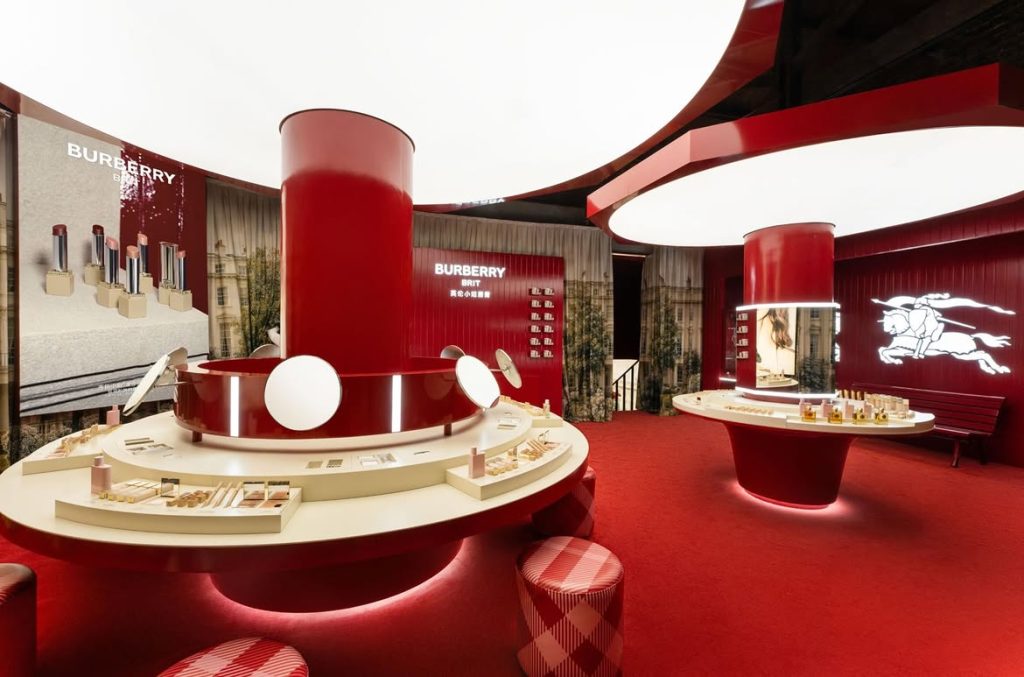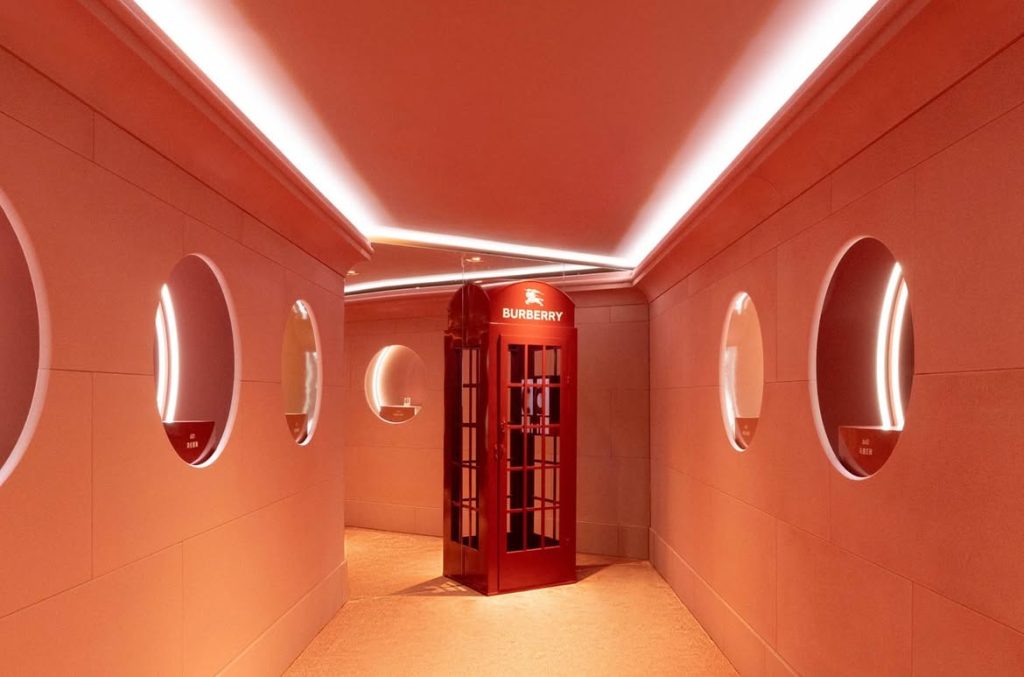
In an era when many brand activations are designed for speed—quick photo opportunities, product launches, and fast-moving customer journeys—Burberry Beauty has taken a different approach.
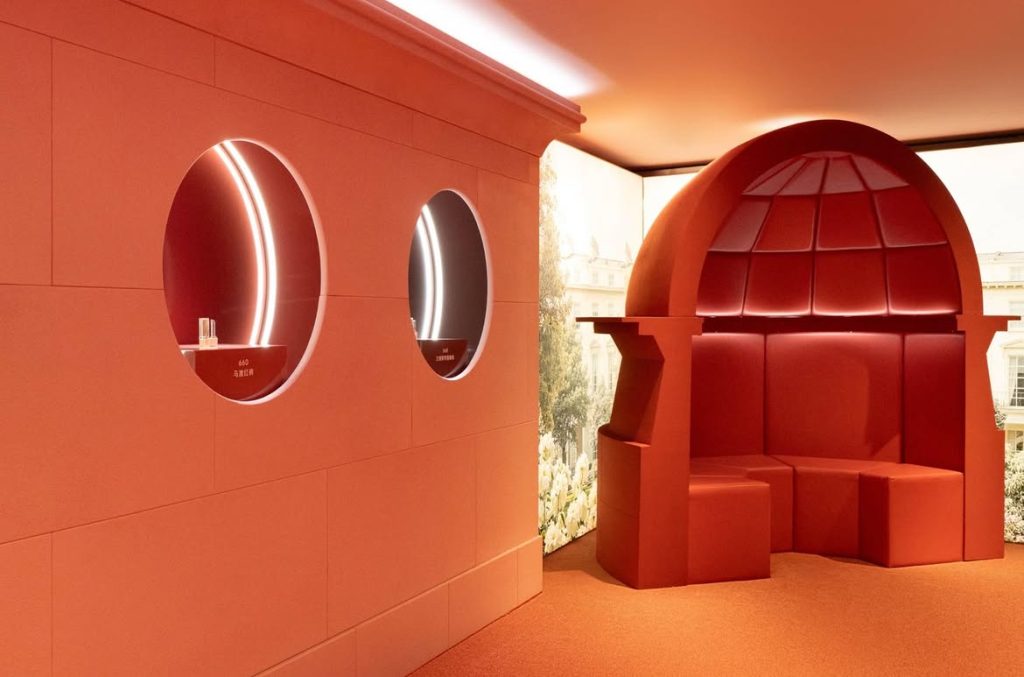
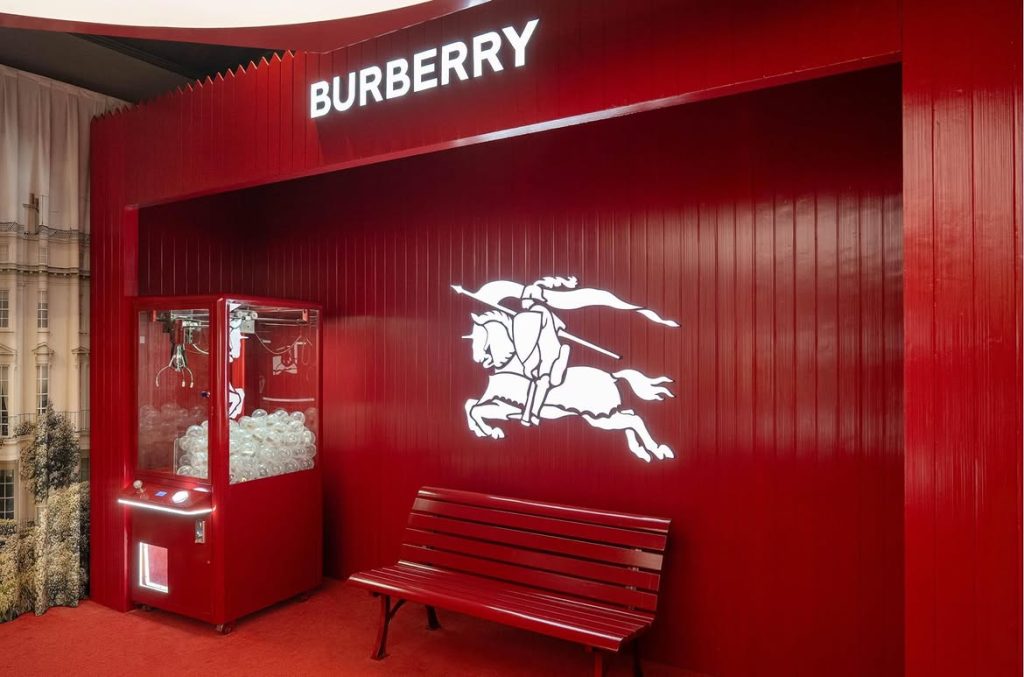
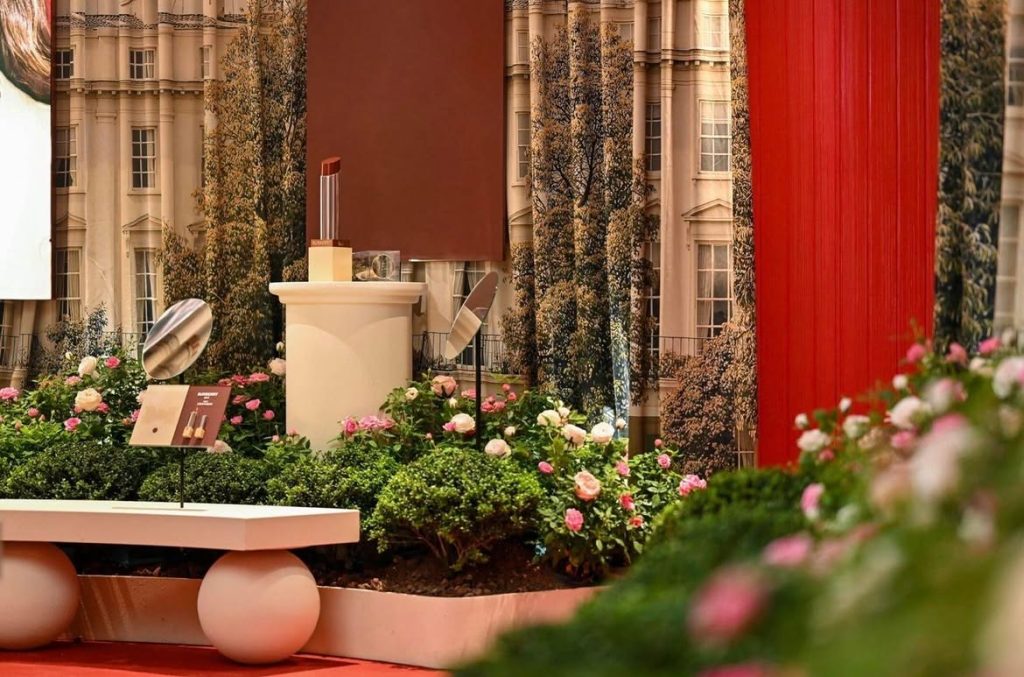
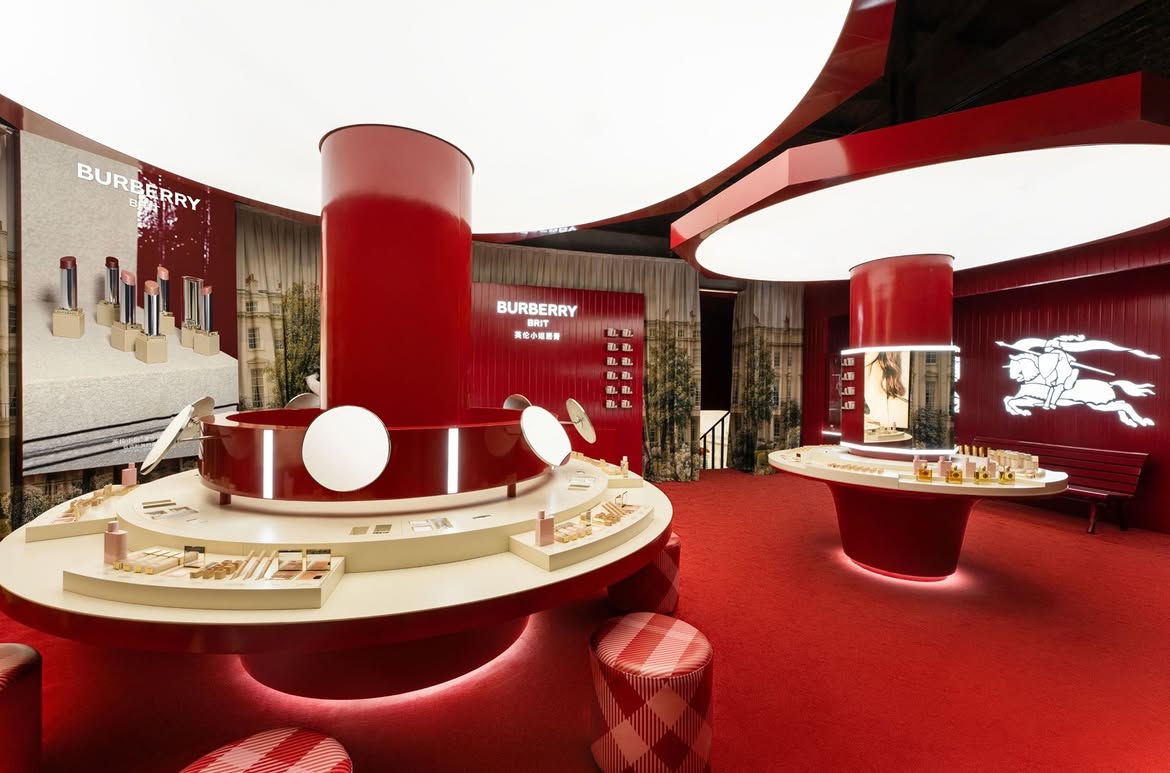
Its latest pop-up transformed a historic Shanghai villa into a leisurely afternoon inspired by London, inviting visitors to wander rather than rush. Instead of following a traditional retail path, guests explored a series of themed rooms, paused at collectible stamp stations, sampled beauty products, and concluded the experience with a limited-edition ice cream. The emphasis wasn’t on moving shoppers efficiently from entrance to checkout—it was on encouraging discovery.
The activation is part of Burberry’s broader experiential strategy in China, where the brand has celebrated its 170th anniversary through a series of city-specific pop-ups. While each installation has its own creative identity, they share a common philosophy: design environments that reward exploration, encourage repeat engagement, and inspire visitors to document the experience as much as the products themselves.
This shift reflects a broader evolution in experiential retail. As consumers become increasingly accustomed to temporary installations and Instagram-worthy moments, novelty alone is no longer enough to capture attention. Brands are instead creating environments that invite people to spend more time, uncover interactive moments, and engage with a story that unfolds throughout the space.
Collectible elements, self-guided journeys, and immersive environments are becoming key tools for extending dwell time and creating memorable experiences that resonate long after a visit ends. Rather than relying on a single dramatic focal point, these activations encourage guests to explore at their own pace, making the experience itself the destination.
For beauty brands in particular, where product discovery and storytelling play an essential role, Burberry Beauty’s Shanghai pop-up illustrates how thoughtful pacing can be just as impactful as spectacle. As experiential retail continues to evolve, slower, more immersive formats may prove to be one of the industry’s most enduring strategies—not by asking visitors to buy more quickly, but by giving them more reasons to stay.
Photos by Burberry